PMSWALA's platform is organized around six working layers that support property, farmland, and asset decisions — plus the newest layer built for our growing EV charging vertical. Each layer works on its own, and each is stronger connected to the rest.
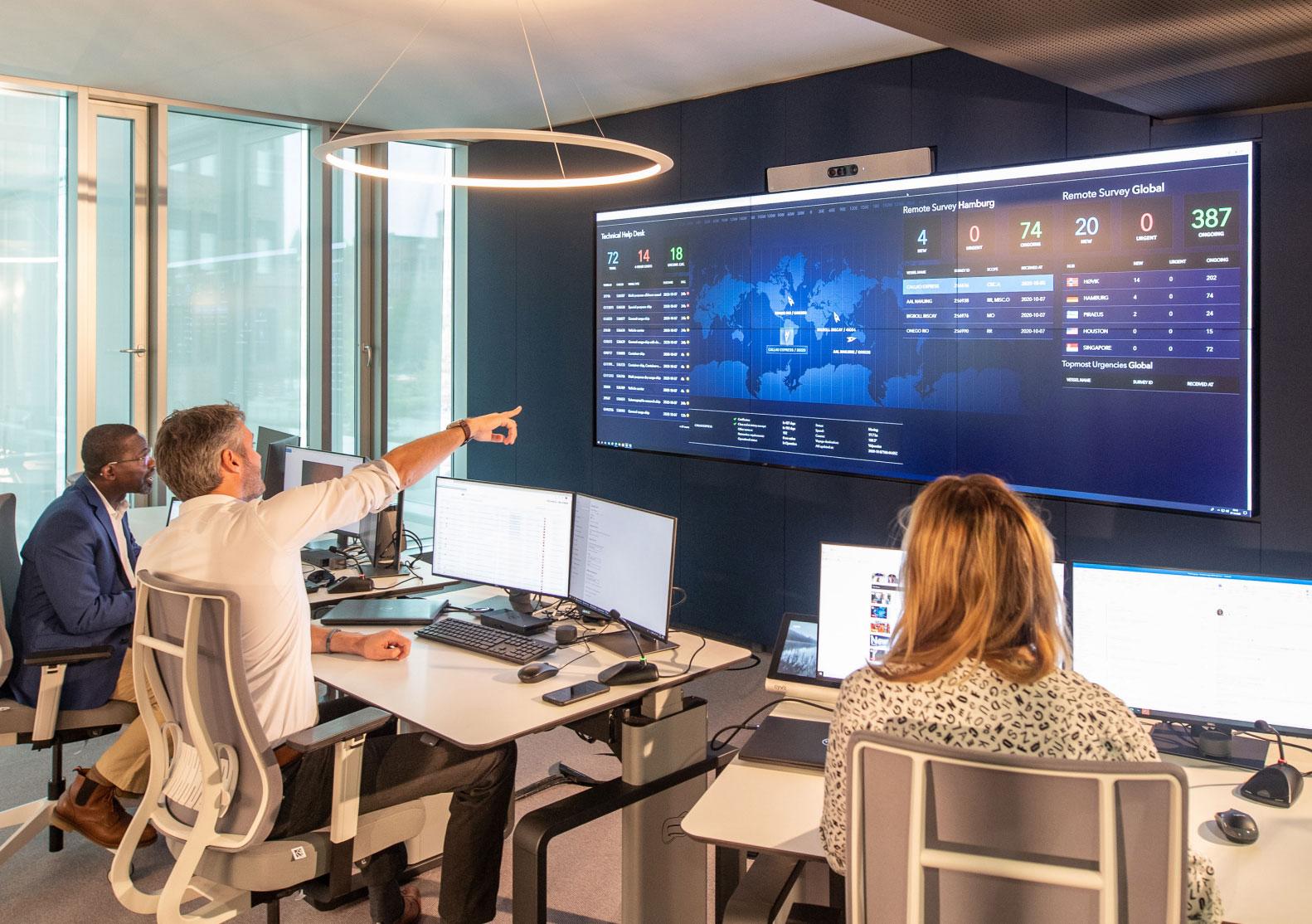
A single dashboard for everyone allocating capital: live property, farmland, and portfolio performance, transaction status, and a plain-language risk signal for every asset you hold.
Deployment and acquisition uncertainty is one of the biggest hidden costs in property, farmland, and distressed-asset investing. This layer runs legal and operational checks automatically, before capital is committed rather than after.

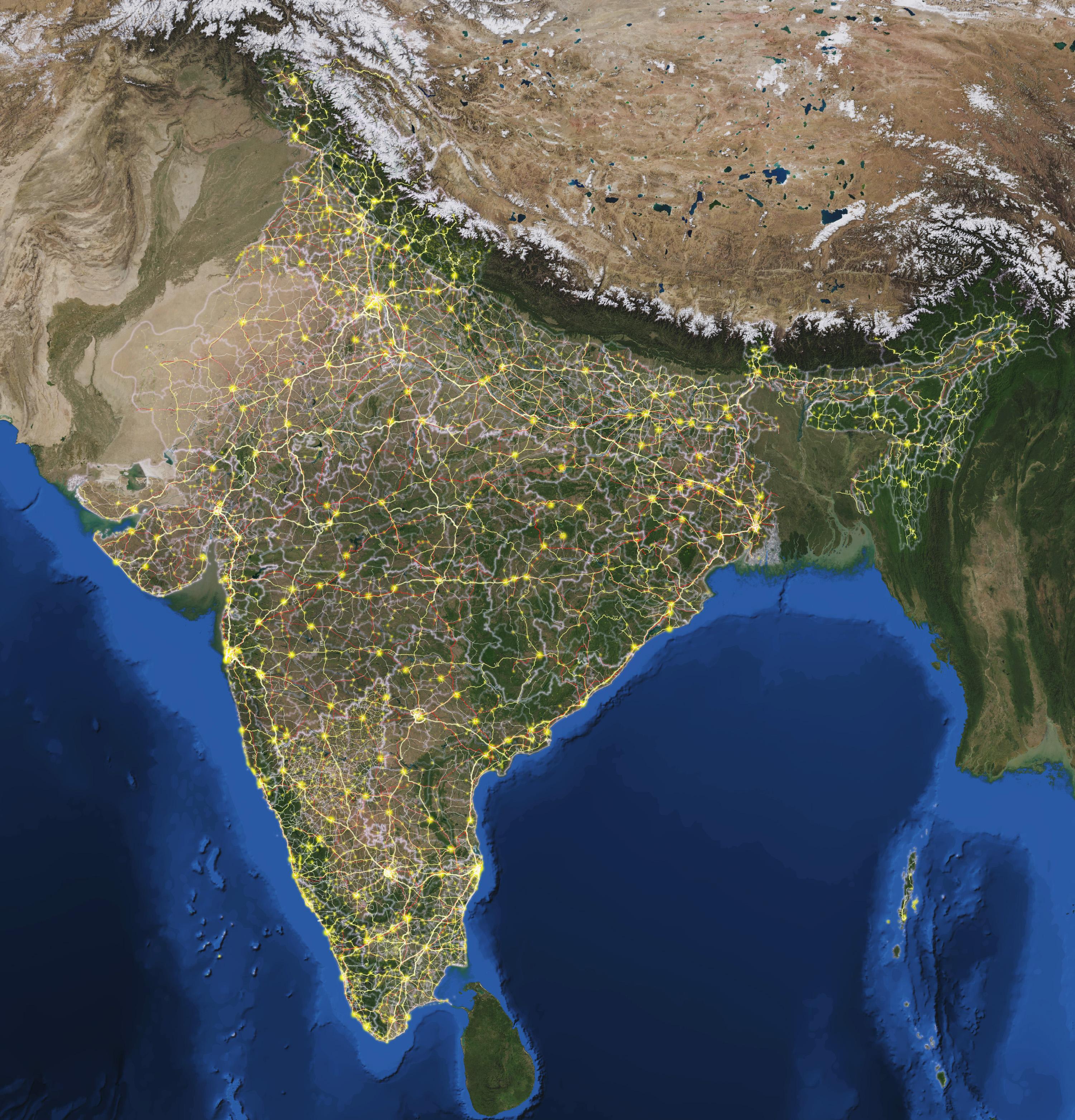
Demand heatmaps and behavior modeling translate raw property-market, land-value, and mobility data into a forward view of where demand is heading next, not just where it is today.

Every site decision is layered onto a live map: locality trends, land economics, competing listings, and infrastructure access, so a location decision can be defended with data rather than instinct.

The rollout framework behind PMSWALA has already been proven across twelve operational cities for property, farmland, and auction coverage. Expansion into a new city follows a repeatable playbook rather than starting from zero.
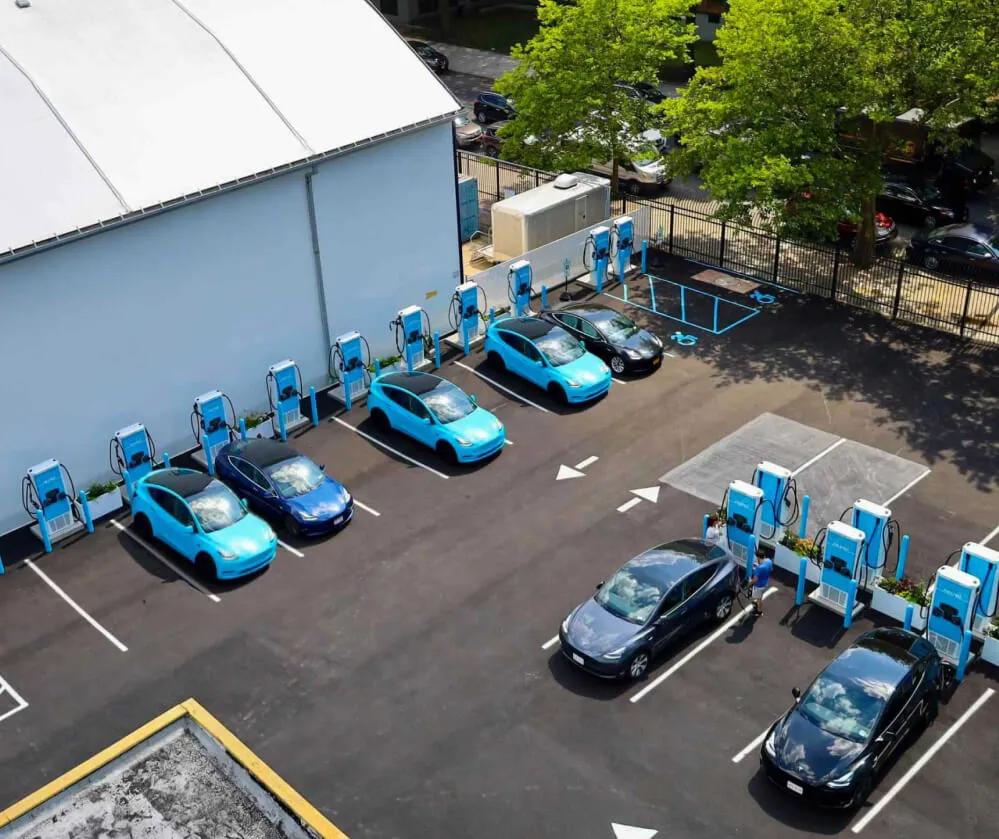
Our newest layer. Station planning stops being guesswork: PMSWALA combines AI-assisted site scoring with live utilization tracking, so every charging point built through our fast-growing EV program sits on a corridor chosen for a reason, not a hunch.
Every engagement moves through the same four stages, whether the underlying request is a single property, a farmland parcel, or a multi-city EV rollout plan.
Traffic, demand, and power data are pulled for the target corridor or asset and scored against your investment criteria.
The Compliance and Risk Layer runs legal, regulatory, and operational checks so the opportunity is investment-ready.
Infrastructure or acquisition plans move into execution, tracked against the original feasibility model.
The Investor Control Room takes over with live performance, return, and risk reporting for the life of the asset.
No. The layer is hardware and vendor-agnostic, and is used both for planning new sites and for improving utilization on chargers you already operate.
Station performance, session revenue, and uptime figures refresh continuously, and reporting exports are generated on demand for board and investor updates.
No. It is built to reduce uncertainty before a decision reaches counsel, catching documentation and regulatory issues early so legal review is faster and more focused.
Yes. New-city onboarding follows the same standardized playbook used for every prior launch, and is scoped as part of the Growth and Enterprise plans.
Bring a city or a shortlist of sites, and we'll walk the feature set through your actual numbers.
